 Image Credit: MATTHEW HATCHER / Contributor / Getty Images
An elderly person has died from the H5N5 strain of bird flu, making them both the first recorded human case and the first person to die from the virus in the US.
The individual was a resident of Grays Harbor, in Washington State, about 100 miles from Seattle.
In early November, they became seriously ill with flu-like symptoms including high fever, respiratory distress and confusion.
They were admitted to hospital and tests confirmed infection with H5N5 avian flu.
The person was treated, but because of underlying health conditions, died on 21 November.
H5N5 avian flu, like the better known H5N1 variant, is classed as a highly dangerous “high pathogenicity” virus. It is found in wild birds around the world, and it is relatively common for the virus to be transmitted to domestic birds.
Most “spillover” events from animals to humans are one-off events; although there is always the possibility that a spillover could become a human outbreak—and even a pandemic—if the virus has mutated in ways that make it readily transmissible between humans.
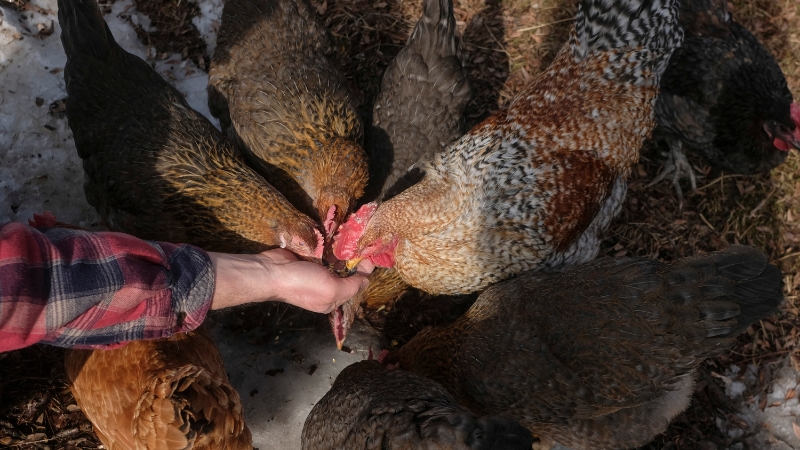
Experts say the incident is likely to have been a one-off—the victim kept a flock of backyard poultry—and that the wider risk from H5N5 is still very low.
In June 2024, the World Health Organization (WHO) said that a new strain of bird flu detected in humans for the first time had a “potential for high public health impact.”
They logged the death of a 59-year-old man in Mexico with “multiple underlying conditions” as a “confirmed fatal case of human infection with avian influenza A(H5N2) virus,” despite the fact that Mexico’s health ministry said the death was due to underlying conditions that led to septic shock, Reuters reported.
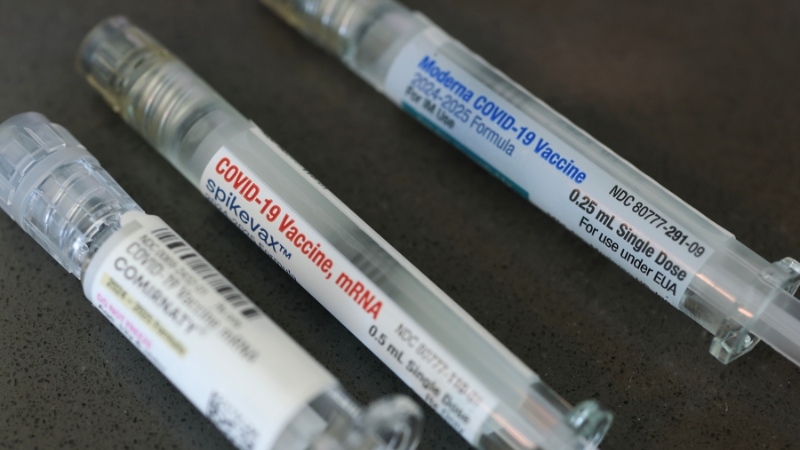
Back in May, health secretary Robert F. Kennedy Jr. canceled a $700 million contract with Moderna to develop an mRNA bird-flu vaccine over health concerns.
HHS Communications Director Andrew Nixon said in a statement : “This is not simply about efficacy—it’s about safety, integrity, and trust. The reality is that mRNA technology remains under-tested, and we are not going to spend taxpayer dollars repeating the mistakes of the last administration, which concealed legitimate safety concerns from the public.”